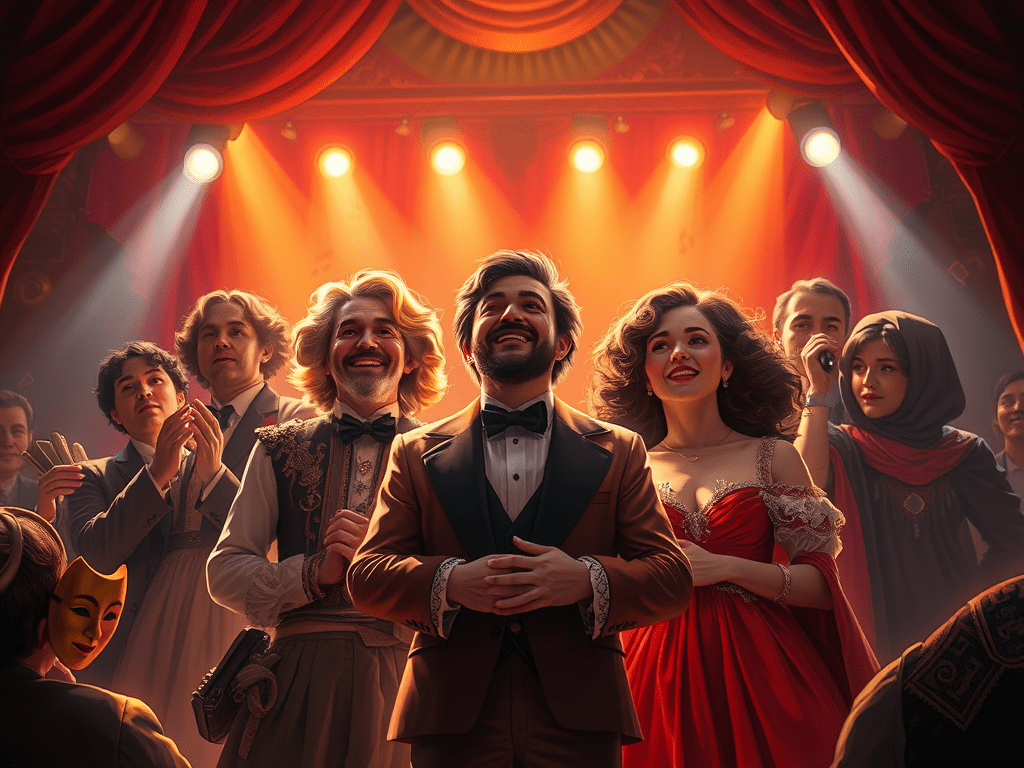
A peek at theatre’s genres
Theatre has always been a place where stories come alive — where emotions, music, and imagination collide to create unforgettable moments. Whether it’s a gripping tale that keeps audiences on the edge of their seats or a glittering musical number that fills the room with energy, every performance belongs to a rich tradition of theatrical genres that shape how we experience live storytelling.
At its heart, theatre spans five core forms. Drama explores the complexities of everyday life, drawing us into characters’ struggles and triumphs. Comedy brings laughter and lightness, using wit, timing, and a touch of mischief to entertain and uplift. Tragedy, one of the oldest genres, delves into profound human themes — fate, loss, ambition — leaving audiences moved and reflective. Musical theatre blends dialogue, song, and dance into vibrant, emotionally charged productions that stay with us long after the curtain falls. And then there’s Opera, a grand and powerful art form where music leads the storytelling, combining soaring vocals with dramatic intensity.
Together, these genres form the backbone of theatrical tradition, each offering its own flavour, style, and emotional impact. Understanding them not only enriches our appreciation of the stage but also highlights the incredible diversity that keeps audiences returning, generation after generation.
Drama
Drama is the backbone of theatrical storytelling, offering audiences a window into the emotional and moral complexities of everyday life. These productions focus on character development, relationships, and the tensions that shape human experience.
Whether set in a living room, a courtroom, or a faroff world, drama invites us to reflect on ourselves through the struggles and triumphs of others. It’s a genre defined by authenticity, nuance, and the power of honest storytelling.
Some great examples of drama for your bucket list
- A Streetcar Named Desire (Tennessee Williams)
- An Inspector Calls (J.B. Priestley)
- The Crucible (Arthur Miller)
Comedy
Comedy brings joy, mischief, and a welcome dose of lightness to the stage. From sharp satire to physical slapstick, comedic theatre thrives on timing, wit, and the delightful unpredictability of human behaviour. These productions aim to entertain, but they often reveal deeper truths beneath the laughter. Comedy has the unique ability to unite audiences through shared humour, making it one of the most enduring and beloved theatrical forms.
Have you seen?
- The Play That Goes Wrong (Mischief Theatre)
- Noises Off (Michael Frayn)
- The Importance of Being Earnest (Oscar Wilde)
Tragedy
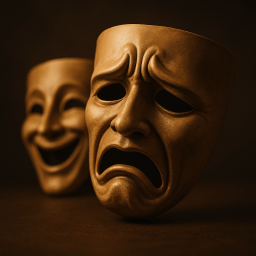
Tragedy is theatre at its most profound, exploring themes of fate, ambition, loss, and the consequences of human choices. Rooted in ancient storytelling traditions, tragedies follow characters whose journeys lead to powerful, often devastating outcomes.
Rather than simply dwelling in sorrow, the genre encourages reflection, empathy, and a deeper understanding of the human condition. Tragedy remains a cornerstone of theatre because it confronts life’s biggest questions with emotional intensity and artistic depth.
You can always rely on the classics.
- Hamlet (William Shakespeare)
- Macbeth (William Shakespeare)
- Oedipus Rex (Sophocles)
Musical Theatre

Musical theatre blends story, song, and movement into a vibrant, emotionally charged experience. Characters express their hopes, fears, and dreams through music, creating moments that feel larger than life. From sweeping ballads to highenergy ensemble numbers, musicals captivate audiences with their colour, rhythm, and theatrical flair. It’s a genre that celebrates spectacle and heart in equal measure, making it one of the most popular forms of live entertainment today.
Our lives would be duller without
- Les Misérables (longest‑running West End musical)
- The Phantom of the Opera
- The Lion King
Opera
Opera stands at the intersection of music and drama, using powerful vocal performance to drive the storytelling. Every emotion — love, jealousy, triumph, despair — is heightened through orchestral sound and expressive singing. While often grand in scale, opera ranges from intimate chamber works to lavish productions featuring full choruses and elaborate staging. It remains a vital part of the theatrical landscape, offering audiences a uniquely immersive and musically rich experience.
Love it or hate it – the tunes don’t come more catchy than this!
- Carmen (Bizet)
- La Bohème (Puccini)
- The Magic Flute (Mozart)








 Friends of Pontardawe Arts Centre